Bottom line
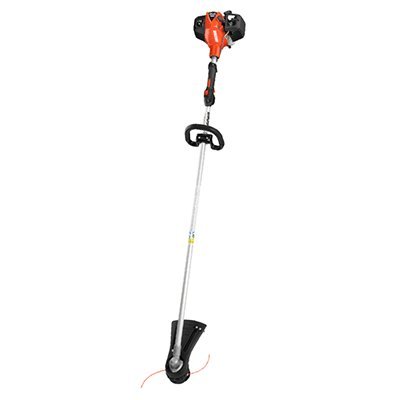
The ECHO SRM-2620T is the gas trimmer I would send most serious buyers to first because it hits the commercial sweet spot: enough engine, useful torque gearing, a sensible 17-inch cut, and the Speed-Feed head that keeps line changes from stealing the afternoon.
Buy it if you want a dependable pro-style gas weed eater for thick regular trimming and you are fine mixing fuel. Skip it if quiet operation matters more than refuel-anywhere runtime.
Score breakdown
Evidence basis
What this review is based on
- Official product specifications from ECHO product specs
- Side-by-side comparison against similar gas and battery trimmers
- Category fit analysis around power, cut width, weight, line setup, fuel or battery logistics, and serviceability
- Availability and affiliate-link checks for realistic online buying
Hands-on verification still to add
I do not mark a review as field-tested until it has original use notes, photos, measurements, or video. These are the proof points I want on this page next:
- Original product photos or short video from use
- Loaded weight and balance notes with fuel or battery installed
- Line reload timing and head behavior
- Runtime or fuel-use notes on maintained grass and heavier growth
- Noise, vibration, starting, and fatigue observations after a real trimming session
What I like
I like that this weed eater keeps the fancy stuff to a minimum and puts the muscle where it counts. The Speed-Feed head is the star here: less fiddling, more trimming.
- 2:1 high-torque gear ratio helps in heavier growth
- Speed-Feed 400 head reloads quickly
- 20.6 fl. oz. fuel tank helps longer jobs
Where the SRM-2620T earns its ranking
This is not the biggest trimmer on the page, and that is part of the appeal. It has enough engine to feel serious without jumping into the heavier 30 cc class. The 2:1 gear reduction is what makes it interesting for thicker grass because torque matters more than sounding angry.
Line loading is a real productivity feature
A trimmer head can make a good engine feel annoying. The Speed-Feed 400 is one of the main reasons I like this model for practical buyers. If you trim enough to reload often, that head matters.
The main tradeoff
You are still buying a mixed-fuel gas machine. That means fuel discipline, noise, maintenance, and exhaust. If those are deal-breakers, a battery model makes more sense even if it gives up gas-style refueling.
What to watch
No trimmer is right for every job. This is where I would slow down before buying:
- Heavier than some light-duty trimmers
- Still needs mixed fuel and gas-engine upkeep
Best fit
Landscapers and serious homeowners who want a commercial 2-stroke workhorse for thick weeds.
Skip it if: You want the quietest possible setup or refuse to mix fuel.
Best jobs for this trimmer
- Long fence lines and thick weekly growth
- Landscape crews that want a familiar 2-cycle workflow
- Large-property owners who want one serious gas trimmer
Look elsewhere if
- Noise-sensitive neighborhoods or early morning accounts
- Buyers who refuse to mix fuel
- Small yards where a lighter battery trimmer would be easier
Specs that matter
- Power: 25.4 cc 2-stroke
- Cutting width: 17 in. swath
- Weight: 12.8 lb dry
- Line/head: .095 in. line
Model name notes
- SRM-2620 and SRM-2620T are different models, not interchangeable names. ECHO lists 1.62:1 gearing for the 2620 and 2:1 high-torque gearing for the 2620T, both with a 25.4cc engine.
- ECHO lists the 2620T at 12.8 lb dry including the cutting head, or 11.9 lb without the head. Fuel and a harness add carried weight; do not compare this with another model's bare-tool figure as if they were measured the same way.
- The 2620T ships with a 17-inch swath and Speed-Feed 400 head. The larger 3020T has a 30.5cc engine, 20-inch swath and Speed-Feed 500. More engine is a different tradeoff, not an automatic upgrade for routine edging.
I also keep the official spec source handy here: ECHO product specs.
What to compare it against
Check the gearing against ECHO's SRM-2620 specifications, then read the 2620T vs 3020T comparison if your main question is whether a bigger engine is worth the extra tool.
- Husqvarna 525LS Mark II if lower weight matters more than torque feel
- ECHO SRM-3020T if rough growth is heavy enough to justify more engine
- Milwaukee 3006-22 if you want battery power and already own M18 batteries
Quick questions
Is the ECHO SRM-2620T commercial grade?
Yes. It is positioned as a pro-grade straight-shaft gas trimmer with a 25.4 cc engine and high-torque gearing.
Who should buy the ECHO SRM-2620T?
It fits landscapers and serious property owners who want a gas trimmer for thicker growth, long runs, and frequent line loading.
What is the biggest reason to skip it?
Skip it if you want quiet operation, no fuel mixing, or a lighter tool for small weekly trimming.
Alternatives to consider
Does this fit your work?
Buy it if you want a dependable pro-style gas weed eater for thick regular trimming and you are fine mixing fuel. Skip it if quiet operation matters more than refuel-anywhere runtime.
Check price & availability on AmazonIf this does not sound like your machine, start with the best commercial weed eater guide, compare fuel types in the gas vs battery guide, or narrow the list by category:
Related